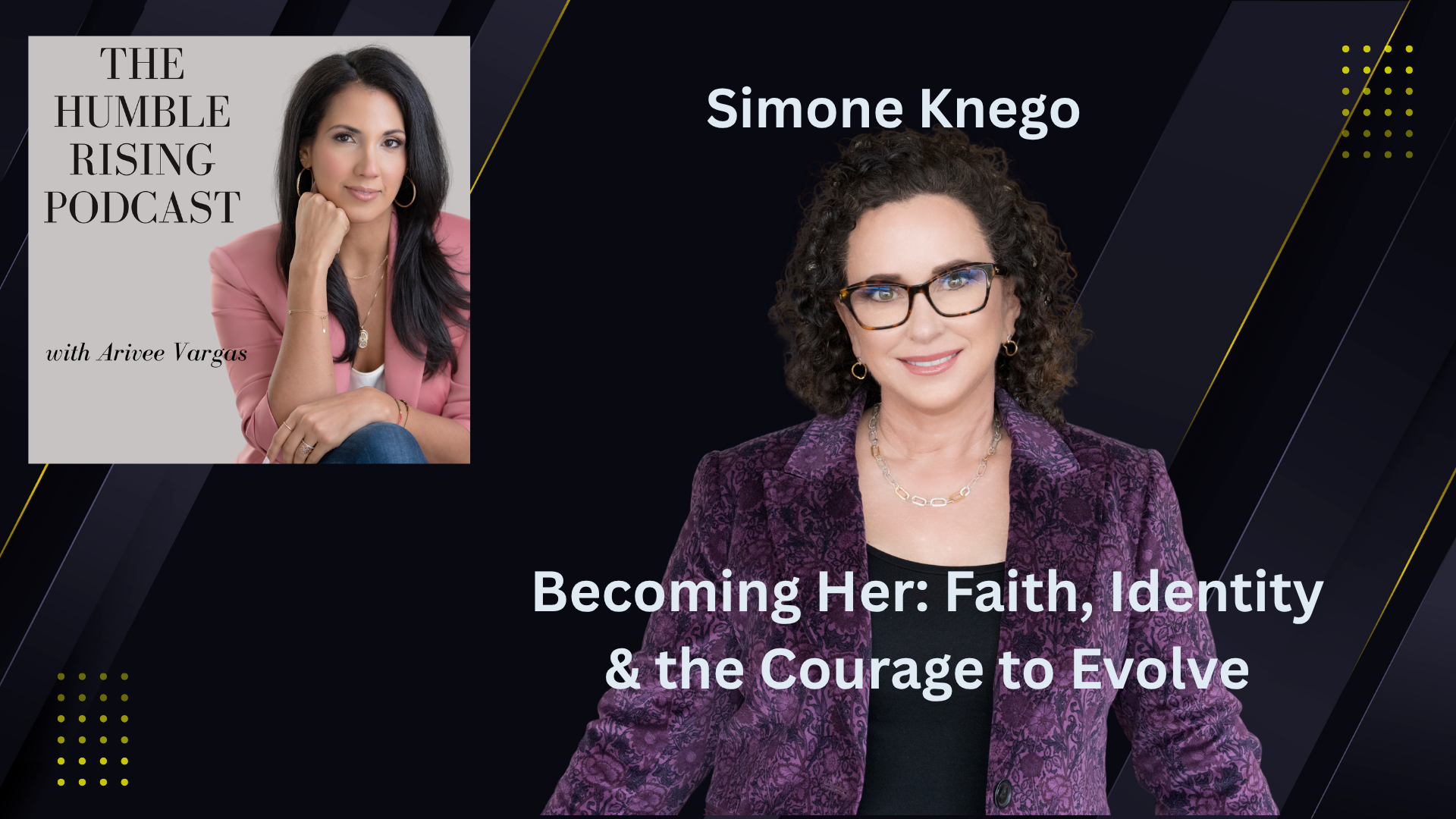
In this episode companion, I explore how memory, legacy, and story shape identity, leadership, and the future we choose to preserve.
Quick answer
What I want you to know
Memory and legacy work matter because leaders do not only inherit stories; we shape which stories get preserved, repeated, and acted on. I use this conversation to invite reflection on cultural heritage, identity, and the power of story.
- Ask which stories shaped your identity.
- Notice what your leadership preserves.
- Choose the legacy you want your decisions to carry.
FAQ
Questions I hear from women lawyers
Who is this article for?
I wrote this for women lawyers, new partners, equity partner candidates, and executive women in law who want high performance without chronic depletion.
What is the practical takeaway?
Ask which stories shaped your identity. Then choose one small behavior you can practice in the workweek you actually have.
How do I use this in my leadership?
Use the article as a diagnostic. Notice the pattern, name the cost, and choose one visible leadership behavior that protects capacity without lowering standards.
Conversation-to-practice guide
How to turn story into leadership, memory, and legacy
A powerful story is not only something you preserve. It becomes a way to understand what mattered, what shaped you, and what you want to make more visible through your leadership now.
Strategy 1: Choose the story that still has energy
The stories that keep returning often carry information. They may point to values, pain, resilience, family expectations, or a version of you that needed more witness.
A leader keeps referencing a parent or mentor's sacrifice, then realizes that memory is shaping how she thinks about ambition and rest.
Write down the story you have told more than once this year and what it may be asking you to notice.
Strategy 2: Separate performance from truth
Some stories get polished until they are acceptable. Legacy work asks for the more honest layer underneath the professional version.
Instead of saying 'I learned to work hard,' you name the cost, the pride, and the pattern that came with it.
Rewrite one familiar story without trying to make yourself sound impressive.
Strategy 3: Decide what the story requires now
A meaningful story should not only live in reflection. It can become a choice: a conversation, a boundary, a creative act, or a different way of leading.
You realize a family story about sacrifice does not require you to keep sacrificing your own health to honor it.
Choose one action that honors the story without repeating the harm inside it.
Strategy 4: Share with purpose, not exposure
Vulnerability is most useful when it serves the listener and the truth, not when it becomes unfiltered disclosure.
You share a story with your team to explain a leadership value, not to process the whole experience in public.
Before sharing, ask: what is this story helping someone understand or do?
Where to Start This Week
| If this is the pattern | Start here |
|---|---|
| A memory keeps returning | Ask what value or wound it points to. |
| The story feels too polished | Write the honest version privately first. |
| You are repeating a family pattern | Choose one action that honors without reenacting. |
| You want to share publicly | Define the purpose before disclosure. |
Final Thought
You do not need a total life overhaul to begin. Start with one specific behavior, one clearer decision, or one protected condition. Sustainable high performance is built when your ambition has a structure that can actually support it.
After serving as the Teenie Harris Archivist at the Carnegie Museum of Art, Dominique founded The Luster Company to help ensure that Black stories are not only preserved, but celebrated. In this conversation, Dominique and I explore what archives reveal about identity, power, legacy, and the stories we choose to live.
Why this conversation matters
What begins as a discussion about archives expands into a deeper dialogue about cultural narratives, entrepreneurship, critical thinking, and the courage to claim your own story. Dominique explains how history is shaped by who tells the story, why oral histories preserve dignity, and how leaders can be more intentional about the legacy they leave behind.
You will learn
- Why history is more interpretation than many of us realize.
- The difference between documented facts and lived memory.
- How oral histories preserve dignity, identity, and truth.
- Why critical thinking matters more than memorizing history.
- What entrepreneurship can look like behind the scenes.
- How limiting beliefs can disguise themselves as facts.
- Why consistency, not intensity, creates real momentum.
- How to intentionally shape your legacy before someone else does.
This episode is especially for
- Women of color reclaiming and documenting their narratives.
- Founders and aspiring entrepreneurs navigating self-doubt.
- Leaders thinking about impact beyond titles and roles.
- Anyone questioning the stories they were taught and the stories they tell themselves.
Reflection prompts
- What story about your life or leadership have you inherited without questioning?
- What part of your legacy are you actively shaping right now?
- Where have you mistaken a limiting belief for a fact?
- What would it look like to protect your incubation season more intentionally?
Jump to a moment
Mentioned in this episode
Archivist and founder of The Luster Company, helping organizations preserve the stories that matter.
Work with mePrivate executive coachingOne-on-one support for women lawyers and leaders building sustainable high performance.
Read nextYour Time to RiseArivee's book on leading and living with intention and self-trust.
Episode transcriptRead transcript
Arivee: Dominique, you say memory is a kind of power. What do you mean by that?
Dominique: Whoever keeps the record shapes the story. Archives decide what survives, and that shapes how a whole community sees itself.
Arivee: So legacy isn't passive.
Dominique: Not at all. Legacy is a series of choices about what you preserve and amplify, made long before anyone calls it history.
Excerpt shown. Full transcript available on the episode page.

About the author
Arivee Vargas
Arivee Vargas is a first-generation Latina lawyer who moved from Big Law litigation into in-house corporate leadership before building her executive coaching and leadership strategy business. She is an award-winning executive and High Performance coach, speaker, author of Your Time to Rise, and host of The Humble Rising Podcast. With nearly 20 years across law, leadership, compliance, employee relations, and coaching, she helps ambitious lawyers and corporate leaders build clarity, confidence, boundaries, and sustainable high performance from the inside out.
More about Arivee